
Workplace training isn't just something to check off a list—it's a crucial investment for your organization's future. Companies with solid training programs see a 218% higher income per employee compared to those without. Surprising, right? Let's look at what makes training programs successful. We'll talk about creating good training materials, finding the best ways to deliver them, and measuring how well they work. These steps can turn your team into a productivity powerhouse. We'll also look at real-world examples and case studies to see these ideas in action. Whether you're an experienced HR pro or new to the field, this guide will help you bring out the best in your team. Ready to dive in?
Summary: Este artículo describe los componentes clave de los programas de capacitación en el lugar de trabajo, incluyendo el diseño de materiales, métodos de entrega efectivos y la medición de la efectividad y el ROI, además de ejemplos y estudios de caso.
Key Components of Successful Workplace Training Programs
Setting Clear Goals for Effective Workplace Training
Setting clear goals and objectives is key to successful workplace training. Start by analyzing what skills are missing and match the training to the company's strategic aims. This keeps the training relevant and aligned with the business mission. For instance, if a company wants to boost customer satisfaction, the training might focus on enhancing communication and problem-solving skills.
These objectives should follow the SMART criteria: specific, measurable, attainable, relevant, and time-bound. This framework helps guide the training and allows for effective assessment of its impact. The ABCD model sharpens learning goals by detailing expected behaviors, conditions, and performance levels.

Setting clear goals enables organizations to track progress and adapt the training as needed, ensuring it remains aligned with evolving business needs.
Creating Engaging Workplace Training Content
The success of a training program hinges on the quality of its content and the expertise of its trainers. The content should be practical and engaging, emphasizing skills employees can immediately apply. Incorporating interactive elements such as hands-on practice, group discussions, and real-world examples maintains engagement and enhances learning. Utilizing multimedia like videos and interactive modules brings the training to life and appeals to various learning styles.
Skilled trainers are crucial. They must possess deep knowledge and real-world experience, coupled with the ability to connect with learners. Trainers who adapt their methods to suit the audience and foster an interactive environment are more effective. Encouraging feedback and open dialogue allows employees to express their thoughts and clarify doubts, enriching the learning experience and fostering a supportive learning community. Training materials should include simulations, practical exercises, and feedback opportunities to meet employees' learning needs.
Customizing Workplace Training for Learning Styles
Recognizing different learning styles is essential for effective workplace training. People learn in diverse ways—some are visual, others auditory, and some kinesthetic. A one-size-fits-all approach may not resonate with everyone.
Effective programs blend learning formats to accommodate these preferences:
- Visual learners: benefit from diagrams and charts.
- Auditory learners: gain from discussions and podcasts.
- Kinesthetic learners: thrive with hands-on activities and simulations.

Blended learning combines instructor-led sessions with online and self-paced learning, enhancing accessibility and effectiveness. Mobile learning options support remote employees and accommodate flexible schedules.
Offering flexible learning choices, such as self-paced online courses or blended environments, allows employees to engage at their own pace and convenience. This flexibility encourages employees to take charge of their development, leading to more motivated and effective learners.
Designing and Developing Effective Workplace Training Materials
Identifying Organizational Needs for Workplace Training
To design effective workplace training, start by identifying organizational needs and understanding employee characteristics. Engaging in conversations and one-on-one meetings with employees can provide insights into their goals and challenges, as highlighted by Airswift. Aligning training with both company strategy and individual goals ensures a more targeted approach, as suggested by Great Place to Work.
- Employee Surveys & Feedback: Utilize surveys and direct feedback to identify training needs and gaps.
- On-the-Job Training: This allows employees to learn at their own pace with guidance, making the training more practical and tailored.
- Bloom's Taxonomy: A useful tool for setting learning goals, aiding in the design of robust training programs.

Crafting Learning Objectives for Workplace Training
Once you understand the needs and characteristics, focus on creating clear, measurable learning objectives aligned with company goals. These objectives guide the development of effective training content, as emphasized by Eloomi. Customizing training content to meet employees' unique needs enhances engagement and relevance to their roles.
- Interactive Methods: Incorporate gamification, quizzes, videos, and group discussions to make learning engaging and memorable.
- Blended Learning: Combine online and in-person training for flexibility and the benefits of face-to-face interaction.
- Immersive Technologies: Leverage new technologies like VR and AR for immersive learning experiences, as noted by eLearning Industry.
Focus on developing both soft skills—such as communication, leadership, adaptability, and emotional intelligence—and technical skills to build a well-rounded team. Vary training delivery methods with workshops, coaching, online courses, and hands-on practice to cater to different learning styles. Monitoring performance data, employee feedback, and KPIs helps track training success and refine content. Provide follow-up resources and refresher courses to support ongoing learning and reinforce new skills.

Implementing Effective Delivery Methods for Workplace Training
Blended Learning Approaches in Workplace Training
Blended learning combines instructor-led training (ILT) with digital tools such as e-learning or mobile learning. This approach offers both flexibility and interaction, catering to various learning styles by merging self-paced digital content with guided sessions. The result is enhanced engagement and improved knowledge retention.
Instructor-Led Training (ILT) includes:
- Classroom training
- Virtual instructor-led training (VILT)
- Workshops
These methods are particularly effective for complex topics, soft skills, and group learning. However, creating a successful blended program requires careful planning to integrate in-person and digital tools, which can increase administrative tasks.
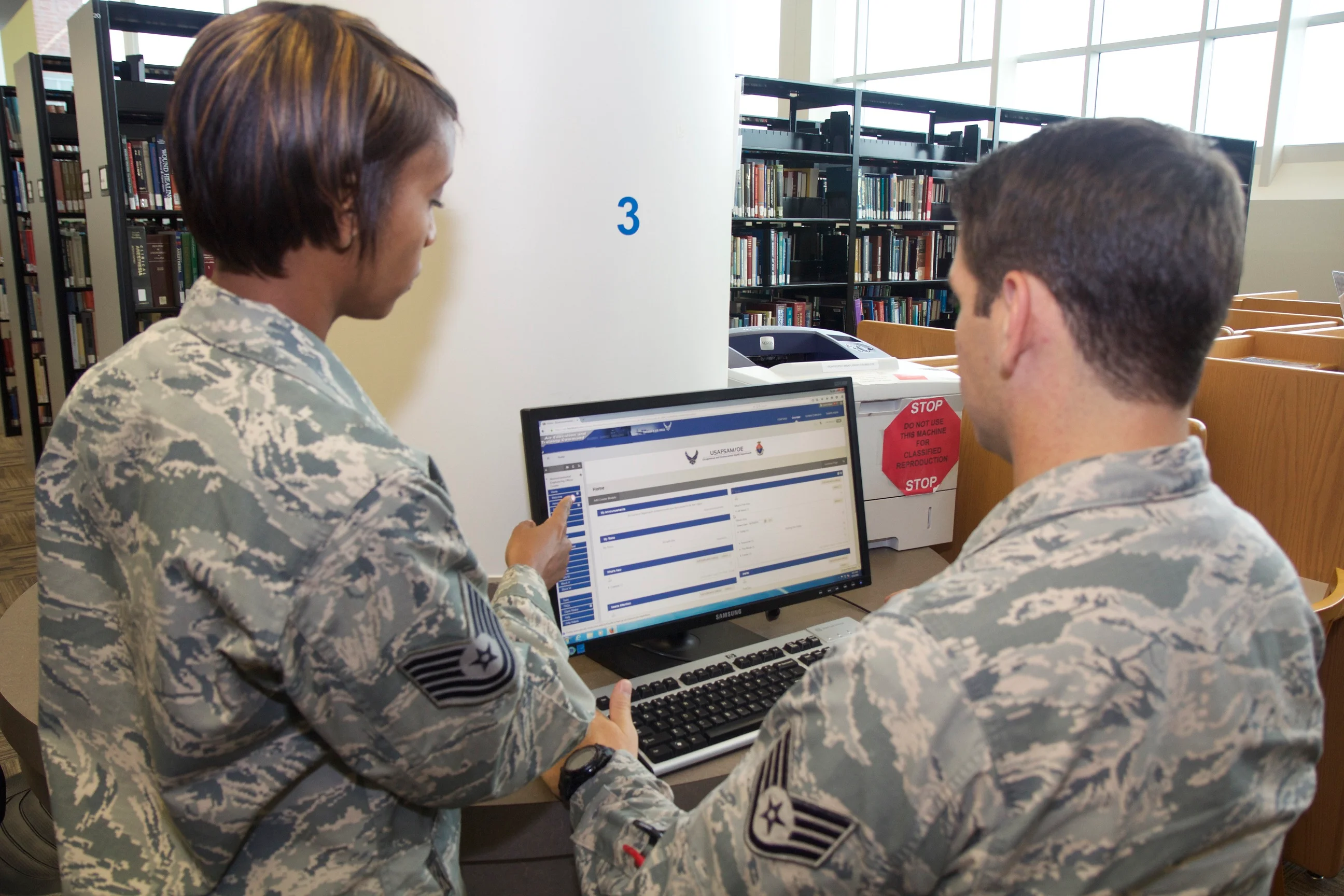
Mobile learning, a component of blended learning, allows employees to access short, interactive modules on-the-go, further enhancing flexibility and engagement. For example, a global company might implement a blended leadership program featuring virtual workshops and mobile learning modules. This allows managers to participate in interactive sessions and complete short content at their own pace.
Leveraging Technology and Innovation in Workplace Training
Technology and innovation significantly enhance workplace training by providing flexible and scalable options. Video-based learning and webinars offer visual content that can be accessed anytime or live, facilitating knowledge sharing among geographically dispersed teams.
On-the-job training (OJT) provides immediate skill transfer by placing learners in real work settings under supervision, offering hands-on experience and instant feedback. Simulations and experiential learning immerse employees in real-world scenarios, improving problem-solving skills and critical thinking in a safe environment.
Mobile learning platforms support this by allowing flexible, anytime-anywhere access to training through short interactive modules, aligning well with modern workplaces.
Structured frameworks like the ADDIE model help design, develop, implement, and evaluate tech-enhanced training programs, ensuring they meet learning goals. For instance, a pharmaceutical company might collaborate with a simulation training provider to create virtual scenarios for essential safety training, reducing errors and enhancing employee skills through immersive, tech-driven learning.

By leveraging these innovative technologies, organizations can build a dynamic and adaptable training setup that meets the evolving needs of their workforce.
Measuring Training Effectiveness and ROI
Key Metrics for Evaluating Workplace Training
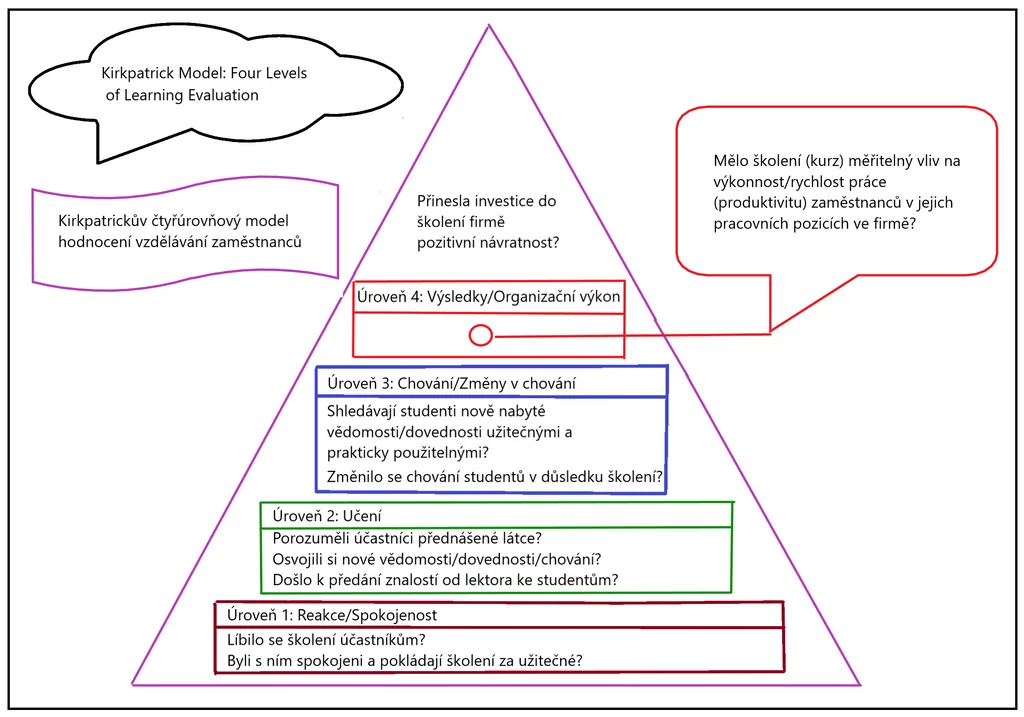
To assess the effectiveness of workplace training, it's essential to consider a variety of metrics. The Kirkpatrick Model is a widely trusted framework that evaluates four key areas:
- Reaction: How participants respond to the training.
- Learning: The knowledge and skills acquired.
- Behavior: Application of skills in the workplace.
- Results: The overall impact on business objectives (AIHR).
Building on this, the Phillips ROI Model adds another dimension by incorporating Return on Investment (ROI) to quantify the financial benefits of training (InStride). To gauge improvement, compare metrics such as employee productivity and skill levels before and after training (Symonds Research).
Employee engagement is another critical component. Measure this through attendance rates and surveys to assess involvement (Symonds Research). To ensure retention and application of knowledge, implement tests and follow-up evaluations (Symonds Research).
Strategies for Maximizing Workplace Training ROI
To optimize workplace training ROI, a strategic approach is necessary. Begin by setting clear objectives that align with your business goals to effectively measure training success (Indeed). Employ diverse assessments, such as skill tests and project reviews, to verify the achievement of learning objectives (Simplilearn).
Monitor employee engagement and satisfaction to enhance the relevance of training and facilitate the practical application of skills (Symonds Research). Consistent follow-ups are vital to ensure knowledge retention and behavioral changes, which might indicate the need for refresher courses (Symonds Research).
Utilize proxy metrics like transformation rates and goal achievement to evaluate the impact of training on performance and soft skills (Educate-me). Conduct a cost-benefit analysis to understand the financial returns, aiding in cost justification and future training planning (Indeed).
Real-World Examples and Case Studies
Successful Workplace Training Programs Analysis
Exploring successful training programs provides valuable insights into effective workplace learning strategies.
AT&T's Workplace Training and Employee Development
AT&T's Future Ready initiative is a significant reskilling project, investing approximately $1 billion in career centers, university degrees, and nano-degrees. The initiative aims to reskill each employee through personalized programs, ensuring continuous engagement. This ongoing learning approach helps AT&T maintain competitiveness, resulting in satisfied customers and improved profitability.

SAS's Data-Driven Workplace Training Strategy
SAS employs a data-driven strategy, utilizing metrics and people platforms to align goals and monitor satisfaction. Their development framework encompasses DEI programs, e-learning, and leadership development. Initiatives such as SAS YPN and SAS Academy enhance engagement and retention, fostering continuous professional growth and contributing to overall success.

Youth Development in Workplace Training Programs
Employers can support young workers by cultivating environments that encourage inquiry and responsibility. Collaborating on shared goals and holding regular meetings promote development. Providing both internal and external training opportunities equips young workers with long-term skills. Establishing clear promotion paths builds trust and motivation, contributing to workplace success.
FAQs
Aligning Workplace Training with Business Goals
To make sure your training program aligns with your business goals, start by identifying and analyzing the training needs that fit your objectives. Create a detailed plan that organizes content around key learning goals. This plan should focus on aligning with business goals to keep it relevant and effective.
Before diving into the training content, define key performance indicators (KPIs) to measure progress and success. These KPIs will provide a clear way to evaluate how the training is working. Make sure your training materials are engaging and easy to understand, using different formats like text, videos, and interactive elements to aid retention.

Get input from subject matter experts to ensure your content is accurate and thorough. This is key for effectively supporting business goals. Consider using blended learning approaches, which mix in-person, online, microlearning, and self-paced courses. This caters to different learning styles and boosts engagement.
For instance, if a company wants to improve customer service, they might look at skill gaps and design a blended training program with interactive modules and role-playing exercises. Success could be tracked through customer satisfaction KPIs.
Gathering Employee Feedback for Effective Workplace Training
Gathering and using employee feedback is crucial for improving training programs. Use formal feedback forms and surveys right after training sessions to gather opinions on content and delivery. Observing changes in performance and behavior post-training can also provide informal feedback on the training's impact.

Include regular breaks, engaging activities, and social interactions during training to encourage open communication and honest feedback. Allowing time for reflection and practice helps employees internalize content and provide more thoughtful feedback. Tailor feedback methods to fit the employee’s role and knowledge to ensure insights are useful.
For example, after a sales training program, a company might use surveys and focus groups to gather detailed feedback. Future sessions could then be adjusted to include more role-specific scenarios and interactive elements based on employee suggestions.
Measuring ROI of Workplace Training Programs
To measure the ROI of training programs, use both qualitative and quantitative analysis. Start by defining what success looks like before the training begins. This means setting specific, measurable outcomes that match business goals. Use a mix of methods like formal assessments, surveys, and observing performance changes to gauge training effectiveness.
Compare assessments before and after training to quantify improvements in knowledge or skills. Tracking long-term outcomes like increased productivity, better teamwork, and fewer errors or accidents can provide a comprehensive picture of the training's impact. Set up KPIs during the training design phase to objectively monitor progress and ROI.
For instance, a manufacturing firm measured ROI by comparing safety incident rates before and after a safety training program, along with employee knowledge tests. This demonstrated a 30% drop in accidents and better compliance scores, highlighting the training's effectiveness and value.