
In today's fast-changing business world, strategic HR management plays a key role. Companies with solid HR strategies are 2.5 times more likely to perform well. It's not just about hiring or firing people. It's about aligning HR with the bigger goals of the company to succeed. Strategic HR involves understanding what the organization and its people need, and using the latest tech and data solutions. It's the backbone of a successful company. In this article, we'll look at important strategies for effective HR management. We'll see how constant improvement and adaptability can turn your HR approach into one that truly focuses on employees. Whether you're in HR or a business leader, knowing these strategies is crucial for building a strong and flexible team. Let's get started!
Summary: Este artículo describe la gestión estratégica de recursos humanos, su importancia y cómo se alinean las estrategias de RRHH con las necesidades organizacionales y de la fuerza laboral. También aborda el uso de tecnología y datos, la mejora continua, la adaptabilidad y un enfoque centrado en el empleado.
Understanding Strategic HR Management and Its Importance
What is Strategic HR Management?
Strategic Human Resource Management (SHRM) ties HR practices directly to a company’s main goals. It's about seeing people as key assets for gaining an edge over competitors. Unlike the traditional HR approach, which focuses on paperwork and reacting to issues, SHRM is forward-thinking and proactive.
Key aspects of SHRM include:
- Alignment with Business Goals: HR tasks such as hiring, career growth, and workforce planning are aligned with business objectives.
- Role in Mission and Goals: HR plays a significant role in the company's mission, focusing on people and performance.
- Collaboration Across Departments: SHRM involves working closely with various departments to achieve company goals.
- Gap Analysis: It is crucial to conduct a gap analysis to assess the current workforce's skills, technology, and wellness compared to future needs.
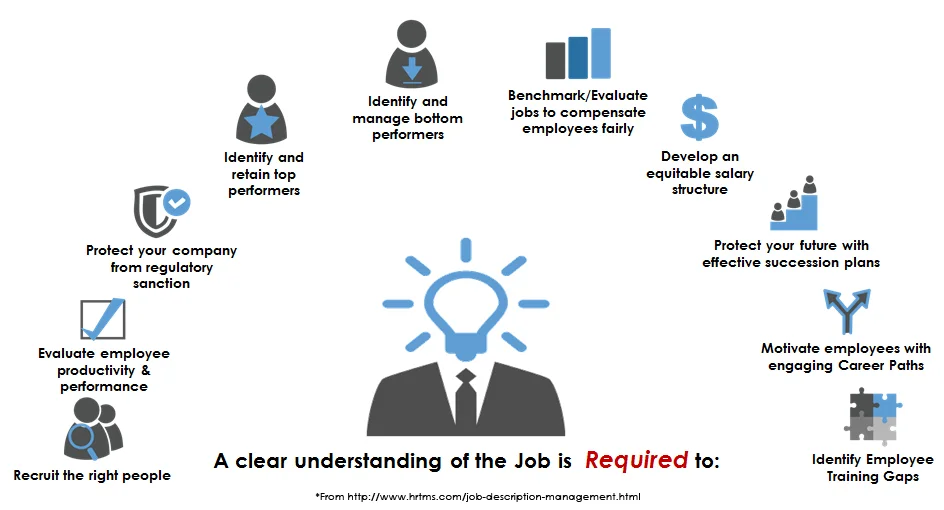
Integrating HR with Business Strategy
Strategic HR ensures that all major HR efforts—such as hiring, onboarding, training, and performance reviews—are aligned with the business's overarching goals. This approach views employees as valuable assets rather than mere costs.
Key elements of aligning HR with business strategy include:
- Talent Development: Investing in developing talent, building a strong culture, and retaining knowledge within the company.
- Future Workforce Planning: Using data to predict required skills and roles, aiding in succession planning and leadership development.
- Flexibility and Learning: Creating adaptable roles and career paths, encouraging ongoing learning through upskilling, cross-training, mentorship, and internal mobility.

Effective alignment means making HR choices that impact hiring, developing, evaluating, rewarding, and involving employees to ensure they are committed, skilled, cost-effective, and aligned with business success.
For more insights, explore Strategic HR Management and Aligning HR with Business Strategy.
Assessing Organizational and Workforce Needs
Strategic Workforce Analysis for HR Management
Strategic workforce planning begins by aligning your team with your business objectives. It's essential to have the right individuals in the right roles at the right time. For more insights, refer to the Strategic Workforce Planning Guide.
Step 1: Assess Your Current Team
- Conduct a comprehensive evaluation of your team's skills, roles, and proficiencies.
- Identify strengths and areas for improvement to determine talent needs.
Step 2: Leverage Workforce Analytics
- Analyze historical trends, current team performance, turnover rates, and costs.
- Consider external factors such as the job market, productivity, and employee engagement. More details can be found in Strategic Workforce Planning 101.

Step 3: Skills Mapping and Talent Audit
- Map current skills against future needs to guide training, hiring, or technology investments.
- Conduct a talent audit, including a skills inventory and employee surveys, to uncover gaps and employee sentiments. This is crucial for informed planning, as discussed in Navigating the Future of HR.
Involving managers and leaders in this process enhances transparency and strengthens planning capabilities.
Forecasting Talent Needs in Strategic HR
Step 1: Analyze Past and Present Data
- Examine past staffing data and market trends.
- Utilize predictive analytics to identify skills gaps and turnover patterns. Refer to Workforce Forecasting for more information.

Step 2: Assess Talent Supply
- Evaluate both current and future talent pools, including hiring pipelines, internal talent, retirements, and turnover risks.
- Monitor economic and job market conditions.
Step 3: Develop a Responsive Workforce Plan
- Bridge the gap between talent supply and demand with strategies such as hiring, training, promotions, and contingency plans for market changes.
- Combine historical data with market insights to maintain flexibility in both stable and dynamic business environments.
Align HR with Company Goals in Strategic Management
- Understand business priorities, establish specific HR goals, and track key performance indicators (KPIs) like time-to-hire and engagement scores. For strategic alignment, see Strategic HR Planning.
- Stay informed on industry trends and changes, such as retirements and skill shifts, to enhance the accuracy of staffing forecasts.
By following these structured steps, organizations can effectively plan for their current and future workforce needs.
Developing and Implementing Aligned HR Strategies
Designing Talent Programs for Strategic HR Management
When designing talent programs, strategic HR management is crucial. Aligning HR policies with your organization's long-term goals enhances productivity and maintains a competitive edge. The Harvard Model of HRM emphasizes the importance of connecting HR choices—such as hiring, development, and rewards—with outcomes like commitment and competence.
Steps to Design Effective Talent Programs:
- Assess Current Workforce Skills: Identify existing skills and spot any gaps to prepare for future business needs.
- Predict Talent Demand: Accurately forecast talent requirements to ensure hiring aligns with business objectives.
- Ongoing Training: Implement continuous training, including upskilling and reskilling, to address skill gaps and support organizational goals.

Utilizing models like the high-performance work system fosters a culture of continuous growth and engagement, ultimately boosting performance.
Engaging Stakeholders for Strategic HR Alignment
Engaging stakeholders in your HR strategy begins with a deep understanding of the business strategy. Collaborate with executives and department heads to align workforce capabilities with future priorities. This process involves:
- Planning Sessions: Conduct sessions with senior leadership and review strategic documents to align business outcomes with talent needs.
- Enhancing Business Knowledge: HR leaders should attend strategy meetings and build relationships with other leaders to ensure alignment.
The Harvard Framework underscores the need to link HR processes with business goals to secure support at the highest levels. By automating routine HR tasks, HR teams can focus on strategic initiatives and actively involve stakeholders in decision-making.

Creating a collaborative environment enables HR to build strong partnerships that drive strategic alignment and organizational growth.
Leveraging Technology and Data in Strategic HR Management
Transforming HR with Technology
AI and machine learning are transforming the HR landscape by automating repetitive tasks such as résumé screening and video interviews. This innovation not only streamlines the hiring process but also enhances diversity by focusing on skills and experience rather than demographics. Companies like Unilever leverage tools such as Pymetrics and HireVue to expedite hiring and foster diversity.
Predictive analytics in HR can forecast candidate performance and retention, enabling better workforce management. Cloud-based HR systems facilitate remote and hybrid work by providing access to HR services from any location. Automating processes like payroll and policy drafting allows HR professionals to concentrate on strategic initiatives.

Integrating HR platforms with systems like ERP, accounting, and CRM ensures data consistency and seamless operations. Additionally, outsourcing HR tasks with technological support enables businesses to manage HR functions efficiently while focusing on strategic planning.
Enhancing HR with Data-Driven Strategies
Strategic HR leverages AI-powered analytics to identify skill gaps, predict hiring needs, and make HR decisions aligned with business objectives. This approach involves creating tailored learning paths based on performance reviews and career goals. AI can also identify employees at risk of leaving, allowing companies to take preemptive retention actions.

As people management evolves, automation of routine tasks frees HR to focus on strategic priorities such as organizational and cultural development. Future HR roles will require proficiency in data and technology to deliver value in a tech-driven environment. Strategic HR management aligns talent strategies with business goals, preparing the workforce for future challenges and fostering innovation. According to Gartner data, HR analytics is a top investment priority, underscoring the importance of data-driven decision-making in HR.
Continuous Improvement and Adaptability in Strategic HR Management
Measuring HR Outcomes and KPIs
To enhance HR processes, setting SMART goals is essential. These goals should be:
- Specific
- Measurable
- Achievable
- Relevant
- Time-bound
Key Performance Indicators (KPIs) are crucial in evaluating the effectiveness of HR strategies. By regularly defining and monitoring KPIs such as turnover rates and recruitment efficiency, you can identify trends and areas needing improvement.
Advanced data analytics tools provide insights into employee performance, recruitment challenges, and workforce needs, enabling HR to make informed decisions. Monitoring metrics like completion time, error rates, and user satisfaction helps identify necessary adjustments, ensuring alignment with company goals. Regular check-ins and oversight foster continuous improvement and support tailored employee development and retention strategies.

Adapting to Strategic HR Trends
Staying abreast of current HR trends, including new technologies and regulatory changes, is vital for future-ready process improvements. Benchmarking your practices against industry standards can reveal your position and highlight opportunities that align with your objectives.
Testing new HR policies on small, diverse groups before a full rollout can help refine them and mitigate risks. Automating routine HR tasks reduces errors and frees up time for strategic initiatives. Cultivating a culture of continuous improvement through open communication and regular feedback ensures HR strategies remain adaptable. Lean HR practices, characterized by simplified performance management and clear processes, enhance employee engagement and retention.
Utilizing continuous feedback loops and open communication accelerates performance improvement and builds trust within the organization.
- Companies with top-tier HR teams are four times more likely to achieve high employee engagement, resulting in a 21% increase in profitability.
- Organizations investing in continuous learning for HR teams experience a 24% boost in employee performance and productivity.
- A culture of continuous improvement can increase the likelihood of achieving strategic goals by up to 30% and enhance employee retention by 22%.
Learn more about improving HR processes.
Employee-Centric Strategic HR Management
Strategic HR Initiatives for Employee Empowerment
Strategic Human Resource Management (SHRM) is all about syncing up HR practices with where a company wants to go. It sees employees as key players in the game of staying competitive. By planning ahead, SHRM figures out what kind of talent is needed and helps build leadership skills. This way, employees are ready to face future challenges and help the company grow.
Key Focus Areas of SHRM:
- Talent Acquisition and Development: Hiring, developing, and retaining the best people while providing opportunities for personal and professional growth.
- Alignment with Business Goals: Tying HR activities to business objectives to help companies adapt quickly to changes.
- Employee Stability and Growth: Offering a stable work environment and clear career progression, which boosts employee confidence and involvement.

Strategic HR Management Through Employee Feedback
Listening to what employees have to say is a big part of strategic HR management. It involves regularly checking in on workforce needs and performance to ensure HR strategies support both employees and the company's goals.
Feedback-Driven HR Practices:
- Customization: Tailoring HR efforts like training, benefits, and performance reviews based on feedback, instead of using one-size-fits-all solutions.
- Regular Surveys and Feedback Sessions: Conducting these to adjust benefits and development programs to align with employee desires, leading to increased engagement, better retention, and higher job satisfaction.

Strategic HR management takes a broad view, covering everything from workforce planning to talent acquisition, employee development, and retention. By fostering a positive work culture that aligns with strategic goals, companies can enhance their performance and success. Utilizing HR analytics and maintaining open communication are essential for making informed decisions and building an inclusive company culture.
FAQ Section
Tailoring HR Strategies for Business Expansion into New Markets
When a business aims to grow into new markets, having a smart HR strategy is crucial. It's about ensuring that HR plans align with the overarching business strategy. This involves anticipating potential HR challenges and opportunities.
For instance, if a company is targeting international markets, it should determine the necessary skills, hire individuals familiar with those markets, and train leaders to manage diverse teams. By doing so, HR helps keep the business's expansion plans on track. The focus is on identifying required talent, building leadership skills, and fostering a work culture that supports expansion goals. For more insights, explore strategic human resource management.

Aligning HR Metrics with Business Objectives: Best Practices
To achieve optimal results, HR metrics must align with the business's goals. Strategic HR management ensures that activities like hiring, training, and performance monitoring are in sync with the company's objectives.
This includes analyzing quantitative metrics like ROI and cost-benefit analysis, as well as qualitative aspects such as employee satisfaction and engagement. For example, a business might evaluate hiring costs, turnover rates, and training ROI to ensure HR contributes to cost reduction and productivity enhancement. Monitoring HR strategies in workforce management, employee benefits, and growth supports long-term objectives. More details on aligning HR metrics can be found here.
Enhancing Strategic HR Management with HR Technology
HR technology significantly enhances strategic HR management by facilitating data-driven decision-making. It provides insights into hiring, performance, and employee engagement, enabling HR to act proactively.
Essential tools include workforce planning, talent management, and HR metrics tracking that align with business goals. By leveraging HR tech, companies can efficiently manage daily tasks while supporting broader initiatives like leadership development and fostering a positive culture. An HR information system (HRIS) that tracks employee performance and growth assists HR leaders in identifying skill gaps and planning future-oriented training. To learn more about HR technology's role in strategic HR management, visit this resource.

Strategic human resource management bridges business goals with workforce capabilities by aligning HR functions with long-term company objectives. It emphasizes employee engagement, talent acquisition, and benefits management, boosting productivity and supporting business success. For a comprehensive understanding of strategic HR management, explore the HR Glossary by Darwinbox.