
In a fast-paced business world, developing talent at work is crucial for success. Companies with strong learning cultures are 92% more likely to innovate. So, building your team's skills isn't just about keeping up; it's about staying ahead. We'll explore how understanding the basics of talent development can change your organization. From fresh strategies to boosting employee engagement and wellness, this article will help you create a thriving workplace. Whether you're in HR, a manager, or just interested in personal growth, you'll discover effective talent development strategies that boost productivity and motivate your team. Let's explore how to make the most of your workforce!
Summary: This article describes various strategies and approaches for talent development in the workplace, focusing on foundational elements, innovative methods, employee engagement, wellness, and evaluation metrics. It provides insights into enhancing workforce capabilities and measuring the effectiveness of talent initiatives.
Understanding Talent Development in the Workplace
Definition and Importance of Talent Development
Talent development is all about helping employees grow their skills and strengths to meet both their personal goals and the company's objectives. It's more than just training; it's about creating personalized career paths, encouraging learning by doing, and supporting ongoing professional growth.
When companies focus on talent development, they create an environment where employees can advance in their careers while contributing to the company's success. This includes:
- Mentoring
- Coaching
- Leadership training
- Planning for future leadership needs
By integrating learning as a constant part of the job, talent development enables employees to acquire new skills and adapt to market changes. It strengthens the company, enhances flexibility, and builds trust through openness and fair practices.
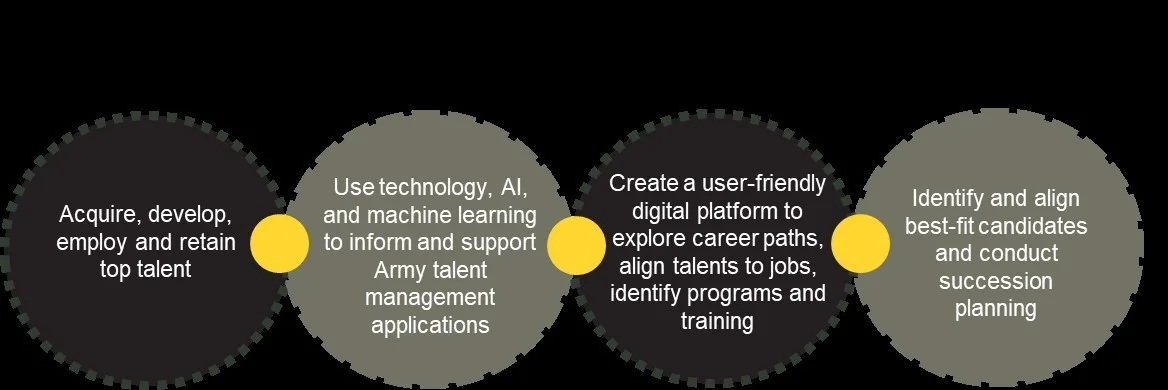
Key Components of Talent Development in the Workplace
Effective Training and Development Programs
At the heart of talent development are learning plans tailored to each employee's unique strengths and career goals. These plans are supported by hands-on learning experiences such as:
- Mentorship
- Coaching
- Job shadowing
- Cross-departmental projects
This approach helps employees gain confidence and expand their skills. Programs include formal training, leadership development, and on-the-job learning, all designed to prepare employees for future roles. Learning becomes part of everyday work, supporting long-term growth and career advancement.

Importance of Mentorship and Coaching
Mentorship and coaching personalize the development journey and foster strong professional connections. A dedicated structure, often within HR, reflects the company's commitment to employee growth and ensures initiatives are well-coordinated. Clear communication and transparency about development opportunities build trust and keep employees engaged in their career growth.
Strategic Career Pathing and Succession Planning
Career pathing involves mapping out potential career moves for employees within the company. By providing clear paths for advancement, companies motivate employees to remain long-term. Succession planning prepares for future leadership needs by identifying and developing leaders from within. This proactive approach helps avoid disruptions and ensures smooth company operations.
Key Elements of Talent Development in the Workplace
Onboarding and Integration for Talent Development
Getting new employees settled in is key for their success and for the company. Good onboarding means giving them the training and resources they need right from the start. Tools like BambooHR and Workday make this easier by handling paperwork and putting everything they need in one place. This way, new hires get a feel for the company values and culture from day one.
Feedback during onboarding is super important. It helps spot where things can get better and supports new folks as they settle in. Mentorship programs can also make a big difference. Pairing newbies with seasoned pros helps create a supportive vibe where people feel free to share and learn. This not only boosts skills but also makes new employees feel like they belong and want to stick around.

It's also crucial to be clear about what’s expected in their role and how they’ll be measured. This helps them see how their work fits into the bigger picture. Regular check-ins during those first few months are great for keeping things on track and making sure everyone’s on the same page.
Establishing a Talent Development Function in the Workplace
Setting up a talent development team shows employees that their growth matters to the company. A strong HR department is key to rolling out these initiatives. You need clear goals and ways to measure success to make sure employee growth aligns with what the company wants to achieve.
Using learning management systems like Cornerstone OnDemand or SAP SuccessFactors helps tailor learning to individual career goals. These platforms offer various learning formats like online courses, workshops, and seminars, giving employees the tools they need to grow.
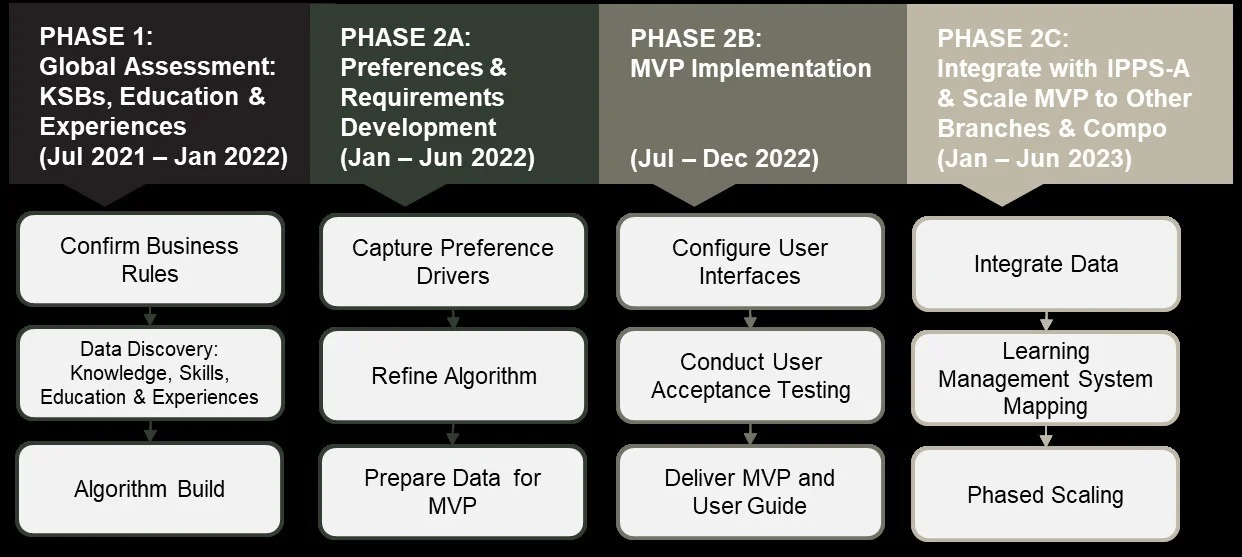
Creating a culture where feedback and improvement are regular parts of the job is vital. Performance reviews and development talks give employees a clear view of how they’re doing and where they can improve. By setting clear career paths and offering chances to move up, companies can keep their best people and spark innovation. Investing in talent development leads to a workforce that's skilled, motivated, and engaged.
Innovative Approaches to Talent Development in the Workplace
AI and Automation in Talent Development
Generative AI is revolutionizing employee learning by providing personalized training tailored to individual needs. Imagine it as a custom-fit learning plan that aligns with your career aspirations. AI tools analyze your job, past work experiences, and future goals to create a learning path that is both relevant and practical. This personalized approach ensures that training is not only engaging but also highly effective.
Moreover, AI enhances accessibility in learning. Features such as real-time Q&A, content summaries, and virtual coaching cater to diverse learning styles, making professional development more inclusive and impactful. Automation also plays a crucial role by managing data from workforce planning and skills tracking, allowing managers to focus on meaningful development conversations.

A practical example of this is Athenahealth, which utilizes an online learning platform to enhance leadership skills. The platform offers flexible, high-quality content that seamlessly fits into busy schedules while aligning with business objectives.
Agile and Adaptive Talent Development Strategies
Personalized learning, aligned with career goals and individual learning preferences, significantly boosts engagement and effectiveness. AI facilitates this by customizing training content to meet unique needs. Diverse learning methods, such as mentoring, workshops, job rotations, and cross-functional projects, maintain interest and present challenges.
Clear career paths empower employees to take charge of their growth, enhancing retention and motivation by linking skill-building to tangible advancement opportunities. Individual development plans, incorporating skills assessments, goal setting, action planning, and progress tracking, ensure alignment with organizational needs.

A blend of self-paced digital courses, instructor-led programs, workplace learning, and peer coaching guarantees continuous and accessible development. Training managers to actively listen and engage in career development discussions is key to crafting effective, personalized development plans.
Athenahealth exemplifies this approach by combining online learning with leadership programs and clear career paths, resulting in engaged employees who recognize real growth opportunities within the company.
For further reading on these topics, explore the following resources:
- Generative AI transforming employee learning
- Athenahealth's leadership development
- Personalized learning experiences
- Career pathing frameworks
- Blending self-paced digital courses
Enhancing Employee Engagement and Wellness
Recognition and Reward Systems for Talent Development
Recognition and reward systems are pivotal in enhancing employee engagement and fostering growth. Amazon exemplifies how recognition programs, such as awards and performance incentives, can significantly uplift employee morale. Regular recognition—whether formal or an informal pat on the back—cultivates a culture where individuals feel valued and motivated.
Celebrating achievements with personalized kudos or rewards can greatly boost motivation and engagement. Moreover, fostering a culture that thrives on feedback is crucial. When employees receive meaningful feedback, 80% report feeling fully engaged. Real-time feedback tools are beneficial as they keep employees informed about their progress without the need for constant manager check-ins. Amazon's 'Career Choice' program is an excellent example of this approach, supporting employee development and celebrating achievements to maintain high engagement levels.
Supporting Employee Wellness and Mental Health for Workplace Talent Development
Prioritizing employee wellness and mental health is essential for maintaining a productive and engaged team. Successful companies implement wellness initiatives that address both physical and mental health, including counseling services, wellness reimbursements, and fitness challenges. Providing employees with the autonomy to choose how and where they work, including remote work options, significantly enhances their engagement and motivation.
When employees have this level of autonomy, they often experience increased ownership, motivation, and creativity. Company-sponsored volunteer work and opportunities for community impact further enhance engagement and contribute to mental wellness by fostering a shared purpose. Creating an environment where employees feel safe to share ideas without fear is vital for boosting mental well-being and engagement. Zapier's onboarding process, which includes cultural immersion and mentorship, ensures new hires feel a sense of belonging and psychological safety from the outset.
Companies like Accenture offer Employee Assistance Programs (EAPs) that provide confidential support for mental health issues, incentivize fitness goals, and offer discounted fitness center access. Salesforce promotes wellness with on-site gyms and mindfulness rooms, while Cisco offers flexible work practices and primary care facilities, underscoring the importance of comprehensive wellness programs in boosting employee engagement.
Measuring and Evaluating Talent Development in the Workplace
Quantifying Talent Development Impact
Measuring the impact of talent development programs is crucial for any organization. You want to ensure these programs are worth the investment, right? To do this, we focus on several key performance indicators (KPIs):
- Employee Retention Rates: It's essential to determine if employees who participate in these programs stay longer than those who don't.
- Promotion Rates: This indicates how many participants move up the career ladder within a specific timeframe.
- Performance Improvement: Evaluate this by comparing KPIs before and after the training.
Another effective method to assess these programs is by calculating the Return on Investment (ROI), where you weigh the costs against the benefits gained. Additionally, Time to Proficiency is a valuable metric, highlighting how quickly employees can effectively apply their new skills.

Productivity Metrics also play a role, as they assess changes in output or efficiency related to skill-building efforts. Furthermore, Learning and Development Metrics, such as training completion rates and participant engagement, provide deeper insights into the effectiveness of these programs.
For example, a tech company in the U.S. experienced a 15% increase in retention and a 20% rise in promotions due to a leadership program.
Aligning Talent Development with Workplace Business Goals
For talent development to be truly effective, it must align with broader business goals. This involves continuous monitoring and regular check-ins to foster growth, enhance retention, and prepare for future needs. KPIs such as employee retention, engagement, performance metrics, time-to-fill vacancies, and internal mobility rates help keep these initiatives aligned with business objectives.
Utilizing evaluation tools for talent management provides clear data on skills and competencies, enabling informed decisions that align with organizational needs. Phillips' Five-Level Evaluation Framework is an excellent approach to measuring talent development, covering everything from participant reactions to ROI. This alignment ensures the program meets the priorities of stakeholders and the business.

For instance, an American manufacturing company applied these tools and the Phillips framework to increase internal mobility by 10% and observed a rise in productivity over 18 months.
References:
- Employee retention rates
- Promotion rates
- Performance improvements
- Return on investment
- Time to proficiency
- Productivity metrics
- Learning and development metrics
- Effective talent management
- Talent management evaluation tools
- Phillips' five-level evaluation framework
FAQ Section
How Can Onboarding Processes Be Tailored to Different Job Roles for Effective Talent Development?
Tailoring onboarding to specific job roles is essential for helping new employees integrate and excel. This involves understanding the unique skills and knowledge each role requires and adjusting training accordingly.
For instance, onboarding might include:
- Specific learning materials
- Mentorship opportunities
- Hands-on projects aligned with job requirements
Engaging new hires with other teams early on can also be beneficial. It provides insight into organizational operations and fosters knowledge sharing. Moreover, creating personalized development plans during onboarding can align employee growth with their career goals and the company's needs, enhancing engagement and retention.

For example, a software developer might receive technical training on coding and project tools, while a sales professional might focus on customer relationship management and communication skills.
How Does Technology Enhance Talent Development in the Workplace?
Technology plays a pivotal role in enhancing talent development strategies by providing training tailored to each employee's needs and learning style. AI-powered learning systems enable employees to access content best suited to them.
Key technological benefits include:
- Digital platforms and virtual tools for easy course access
- Progress tracking
- Mentor connectivity
These tools make learning scalable and accessible. Additionally, automation and AI assist with succession planning by identifying potential talent early, allowing managers to focus on meaningful development discussions. These tech solutions also manage data from workforce planning, skills mapping, and assessments, ensuring effective information use.

For example, an AI-driven platform might recommend courses based on skills gaps and business goals, with analytics tracking program success and adjusting content as needed.
How to Align Talent Development Strategies with Business Goals in the Workplace?
Aligning talent development strategies with business goals is crucial for organizational success. Conducting needs assessments helps identify the skills and capabilities required to achieve business objectives. By comparing current employee skills with future needs, companies can concentrate development efforts on key areas.
Creating individual development plans that connect personal goals to business priorities ensures that employee growth contributes to company success. Regularly reviewing and updating talent development programs based on feedback and performance data keeps them relevant and effective.
Integrating talent development into company routines through regular career discussions and check-ins reinforces alignment with business goals. For example, a company might pilot a development program in its marketing team by identifying future digital marketing skills, creating tailored learning paths, and scheduling quarterly reviews to adapt to changing business targets.
Learn more about crafting effective talent development strategies and how technology can enhance talent development.