
In the business world, things move fast, and keeping up with talent development is crucial. Companies with strong programs see 24% higher profit margins. So, talent development isn't just a trendy term; it's a key strategy for your team’s future. When you invest in growing your employees, you boost their skills and morale and improve your company’s performance. This article digs into what talent development really means, how to put it into practice, and the real benefits for both organizations and employees. We'll also look at how to track the success of these efforts and tackle some common questions. Let's dive in and explore how talent development can help your team reach its full potential!
Understanding Talent Development and Its Importance
What is Talent Development?
Talent development is all about helping employees grow in their careers while keeping the company’s goals in mind. It's not just about traditional training; it’s about spotting what people are good at and what they want, then helping them learn and grow in those areas.
This can mean setting up:
- Mentoring
- Coaching
- Leadership development
- Learning on the job
It's a proactive approach, weaving learning into everyday work. It supports moving around within the company, learning new skills, and growing in ways that fit each person.
Importance of Talent Development for Business Success
Talent development is key for a company’s success. It boosts performance and helps people move up professionally. By keeping employees' growth aligned with company aims, it adapts to new tech and business needs, which helps keep people around longer.
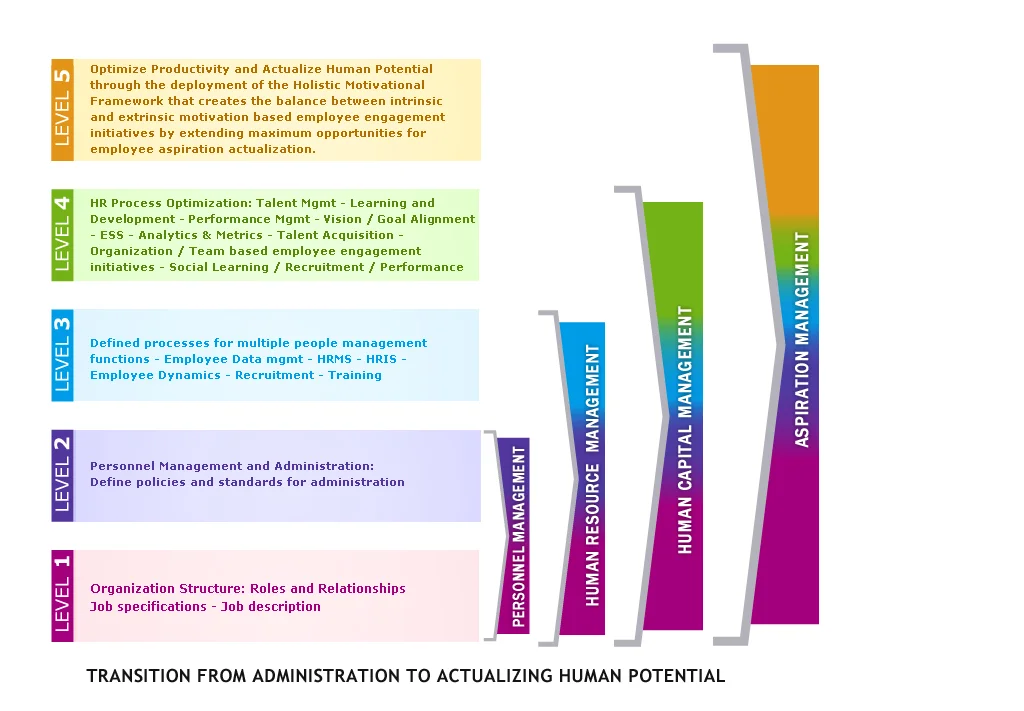
This alignment lifts morale and makes the company more competitive, building a workforce ready for the future. Companies that focus on talent development often see better engagement, performance, and retention, which means better results overall.
Talent development programs help companies create strong leaders. With targeted training programs, they can see a 17% rise in productivity and a 21% increase in profitability. Learn more about the impact of employee training and development.
Step-by-Step Methods for Implementing Talent Development
Talent and Skills Assessment for Effective Development
Inventory Employee Skills and Competencies
To kickstart your talent development, begin by assessing your team’s skills and competencies. Utilize tools like skill matrices to map out each employee's abilities. This should encompass both technical skills and soft skills, such as communication and leadership. Keep this inventory updated to reflect changes and identify areas needing development.
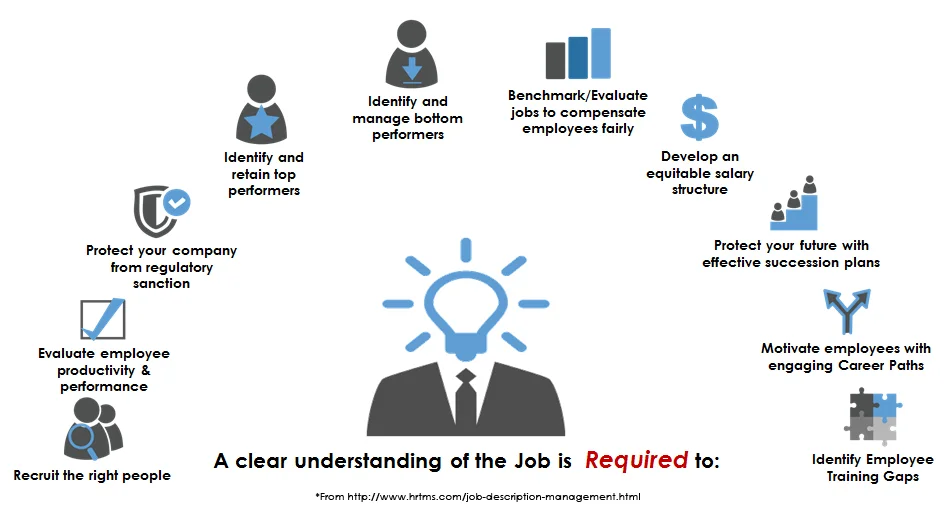
For insights on using skill matrices and performance data effectively, visit Phenom Blog and Workhuman Blog.
Identify Skill Gaps and High-Potential Employees
With your skills inventory in hand, identify the gaps by comparing what you have with what your organization needs. This helps pinpoint where training or hiring is necessary. Additionally, recognize high-potential employees—those who excel and show leadership potential. Use data and manager input to determine who to prioritize for development programs.
Employee Insights and Development Goal Setting
Gather Employee Input on Career Aspirations and Learning Preferences
Engage with your employees regarding their career goals and preferred learning methods. Use surveys or focus groups to gather this information. Understanding their motivations allows you to tailor development efforts to meet their needs, demonstrating that you value their input and are committed to their growth.

For more on aligning development goals with business objectives, visit Chronus Blog.
Align Employee Goals with Organizational Objectives
Once you understand employee aspirations, align their goals with the company’s objectives. This ensures that development efforts benefit both the individual and the organization. Establish clear career paths with milestones to motivate employees and support business growth.
Establish Career Progression Frameworks with Milestones
Develop frameworks outlining how employees can advance within the company, including specific milestones to aim for. Regularly update these frameworks to keep them relevant and aligned with industry trends.
Crafting a Comprehensive Talent Development Strategy
Define Talent Development Programs (Mentorship, Leadership, etc.)
To create a robust talent development strategy, determine which programs fit your needs. Consider options like mentorship, leadership training, job rotations, and microlearning. Each serves different purposes and can be tailored to various groups. For instance, mentorship can assist new hires, while leadership programs prepare future leaders.

For a detailed guide, check out Chronus Blog.
Personalize Learning Paths with Employee Data
Personalizing learning paths enhances engagement and skill retention. Use data from assessments and employee insights to customize learning experiences. Offer flexible options to accommodate different learning styles and schedules.
Benefits of Talent Development for Organizations and Employees
Organizational Benefits of Talent Development
When companies focus on talent development, they see a real boost in employee engagement and retention. This emphasis on growth makes employees feel valued, leading to increased job satisfaction and reduced turnover costs.
Additionally, maintaining sharp skills enhances the organization's overall capability and productivity. Employees become motivated to innovate and adapt, finding creative solutions to market changes.
Strategic programs are instrumental in identifying future leaders, ensuring smooth leadership transitions and long-term success. Companies with robust talent development programs often benefit from:
- Reduced hiring costs
- Enhanced reputation as employers
- 17% increase in productivity
- 21% rise in profitability

Employee Growth Through Talent Development
For employees, talent development translates to improved job performance as they acquire new skills relevant to their roles. Training programs enhance job satisfaction because employees feel valued and supported.
These programs provide clear career paths and opportunities for advancement, preparing employees for promotions. This development boosts confidence and engagement, sparking more creativity and motivation.
Moreover, employees who train in diverse areas become more resilient and adaptable to change, aiding in promotions and overall career growth.
Measuring the Success of Talent Development Initiatives
Talent Development Metrics and Indicators
Employee engagement scores are a valuable metric to assess how leadership development impacts employee satisfaction and loyalty. These scores are typically collected through anonymous surveys.
Retention rates provide insights into talent development by examining the duration employees remain with the company before and after training initiatives. An increase in productivity indicates effective leadership, as it reflects improved team output.

Succession planning is highlighted when more leadership positions are filled internally, showcasing the strength of the company's talent development strategy. Additional key indicators include:
- Training participation
- Internal promotions
- Closing skills gaps
- Learning agility
- Adaptability to change
Continuous Improvement in Talent Development
Regularly reviewing talent development metrics is crucial for identifying areas that require enhancement, thereby increasing effectiveness and return on investment (ROI). Leveraging predictive analytics can help forecast performance and engagement, facilitating the planning of targeted actions.
Feedback loops, such as learner satisfaction surveys and manager ratings, are essential for refining initiatives. Monitoring learning agility and change resilience ensures that strategies remain pertinent as organizational needs evolve.

Addressing challenges in data collection, particularly in demonstrating ROI, is vital for improving metrics over time.
Talent Development FAQs
How Talent Development Boosts Employee Retention
Talent development programs can significantly enhance employee retention. When employees feel valued and motivated, they are more inclined to remain with the company. Investing in their growth boosts job satisfaction and loyalty, reducing turnover and recruitment costs. Employees tend to stay with companies that prioritize their growth, as it aligns with their career goals. For instance, offering continuous learning and career development plans can noticeably lower turnover within a year. Learn more.
Key Elements of a Successful Talent Development Program
Effective talent development programs emphasize continuous learning and link personal growth to professional objectives. This involves providing clear career paths and opportunities for advancement. Leadership development is crucial, preparing employees for larger roles and ensuring smooth succession.

These programs should foster a culture of learning and innovation, promoting adaptability and creative problem-solving. Building talent internally reduces the need for external hires, saving costs and maintaining company culture. Explore further.
Impact of Talent Development on Team Performance
Talent development enhances skills and competencies, leading to improved individual and team productivity. Teams with strong talent are more innovative and better equipped to handle market changes and challenges. When team members share similar skills and understanding, teamwork improves, accelerating goal achievement. Companies focusing on talent development experience higher morale and motivation, forming cohesive and high-performing teams.

Closing skill gaps through development programs boosts team performance and reduces productivity losses from external hiring and onboarding. Read more.