
In business, where every choice matters, using data-driven HR practices is a big deal for managing employees. Companies that use data analytics in HR are 19% more likely to be more profitable than average. By using data wisely, HR teams can streamline their work and make smart decisions that boost how well employees perform and how happy they are. This article will explore the benefits of data-driven HR, like better hiring strategies and keeping employees around longer. We'll also walk you through how to start using these practices in your company and cover some common questions. If you want to improve your HR approach and help your team succeed, read on!
Benefits of Data-Driven HR Practices in Employee Management
Data-Driven HR for Improved Decision-Making
Using data in HR helps leaders make smart choices based on solid evidence, not just gut feelings. By analyzing trends and patterns in HR data, teams can identify areas for improvement and make more informed plans. For instance, predictive analytics can alert you to potential staff shortages, enabling proactive hiring or training before issues arise. Check out more on this at 365Talents.
Boosting Employee Engagement Through Data-Driven HR
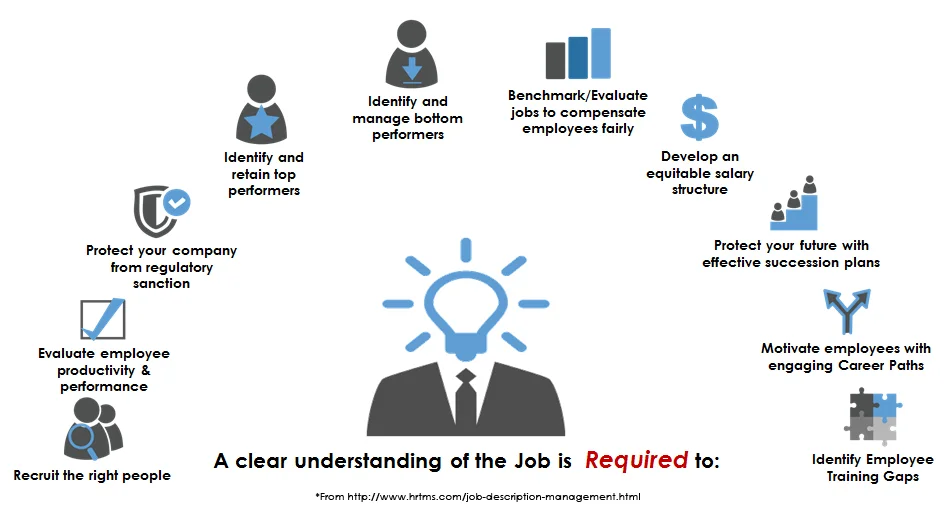
HR data is crucial for understanding what makes employees happy and engaged. By analyzing surveys and feedback, companies can develop flexible work policies and personalized development plans that enhance satisfaction and retention. Understanding employee preferences aids in designing meaningful recognition programs and career paths.
Dive into more details at ClearCompany.
Strategic Workforce Planning with Data-Driven HR
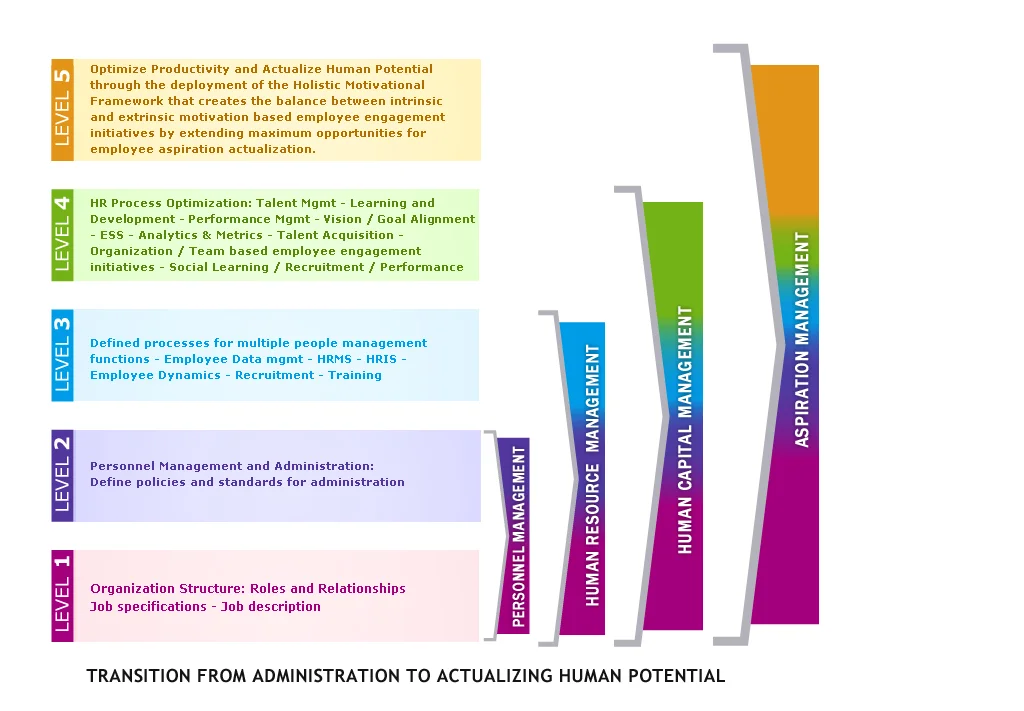
Data-driven HR supports effective workforce planning by monitoring demographics and anticipating future needs. Predictive analytics can forecast staffing requirements and skill gaps, assisting in recruiting and retaining the right talent. This strategic planning ensures readiness to address engagement, performance, and succession in real-time. For example, analyzing past hiring data can indicate when specific roles may need to be filled.
Learn more at ClearCompany.
Measuring Performance with Data-Driven HR
Data-driven HR facilitates the measurement of HR strategies' effectiveness, such as the ROI of training programs or the impact of onboarding on engagement. Sharing these insights enhances transparency and demonstrates HR's value. Key performance indicators like hire quality and retention rates inform strategic decisions. Metrics like employee Net Promoter Score (eNPS) help HR improve workforce performance. Discover more at ClearCompany.
Creating Personalized Employee Experiences with Data
Data-driven HR customizes development plans and career opportunities to align with individual interests and preferences. This personalization increases employee satisfaction and loyalty, reducing turnover and attracting top talent. Flexible work policies and tailored development plans contribute to higher satisfaction levels. For instance, data can reveal varying work styles, allowing HR to offer schedules and training that accommodate everyone. Find further details at ClearCompany.
Step-by-Step Guide to Implementing Data-Driven HR Practices
Set Data-Driven Objectives for HR Goals
To get data-driven HR practices right, start by setting clear goals that match your company's bigger business plans. These goals should be:
- Specific
- Measurable
- Achievable
- Relevant
- Time-bound (SMART)
Having clear objectives helps keep HR tasks in line with business priorities and guides what data you need to gather and analyze. For instance, if your HR team aims to cut voluntary turnover by 15% in a year, this goal ties into key business performance indicators (KPIs) and steers data collection and strategy planning.

By setting specific goals, HR can track how well data-driven projects are doing and make smart choices based on solid data. Getting leadership on board to understand top business priorities ensures HR goals back up the larger organizational aims, which is key for successful data-driven HR practices. Learn more about defining HR objectives.
Gain Leadership Support for Data-Driven HR
Getting leadership support is crucial for data-driven HR initiatives to work. Strong backing from executives is needed to allocate resources and create a culture that values data-based decision-making. Leaders need to see the benefits of using data for HR decisions, as their support can show how these initiatives align with business goals and bring real results.
For example, the Chief Human Resources Officer (CHRO) can regularly talk about HR analytics in executive meetings and promote data-driven projects, encouraging managers to use data in their decisions. When senior leaders visibly support these efforts, it encourages the whole organization to adopt data-informed decision-making, making data a key part of HR strategy. Explore the importance of leadership buy-in.
Conduct HR Process and Data Collection Audit
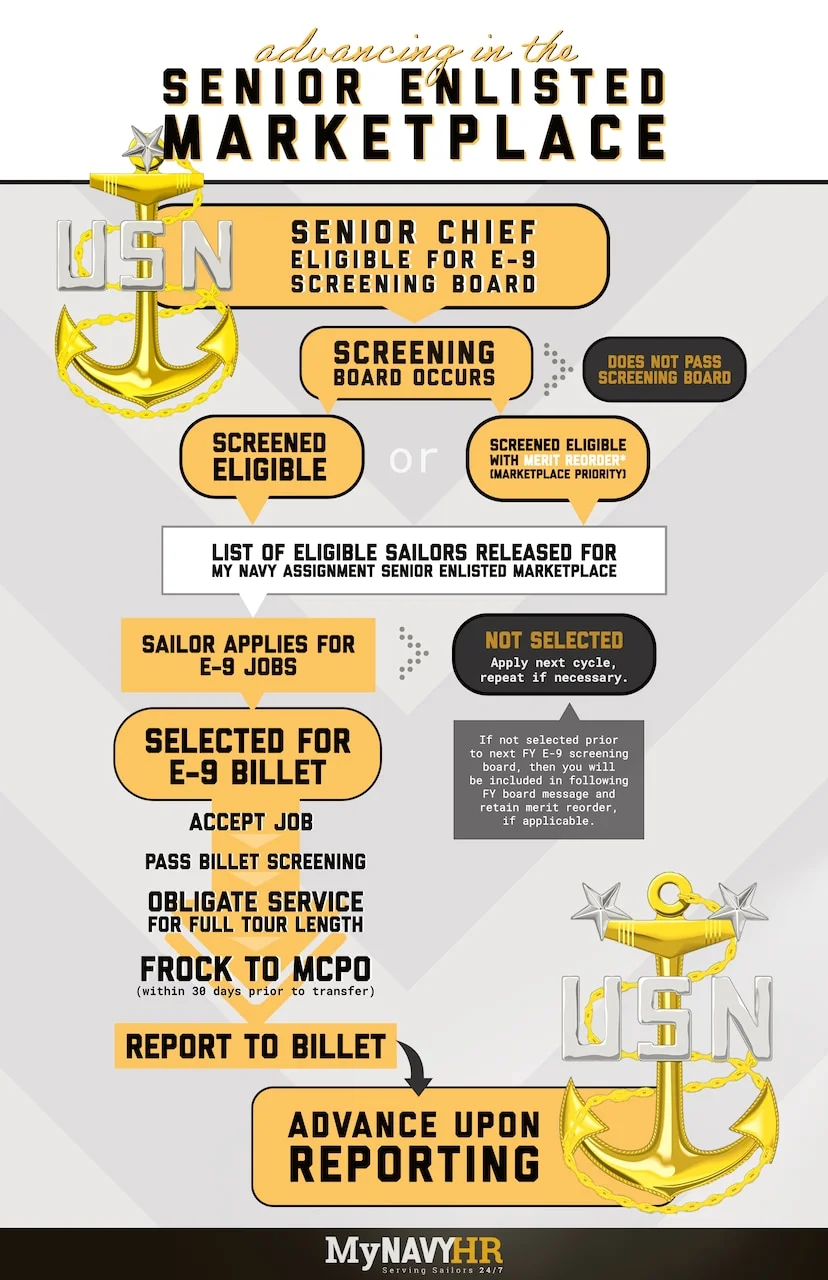
Take a close look at your current HR processes and how you collect data. This audit helps spot any fragmentation, outdated info, or gaps in the data you need for analysis. Mapping out data sources like:
- Human Resource Information Systems (HRIS)
- Applicant Tracking Systems (ATS)
- Payroll
- Engagement tools
- Exit interviews
This gives you a clear picture of the data you have and its quality. This process will uncover inconsistencies and duplication across systems, which is necessary to improve data accuracy and integration. For example, you might find missing skills inventory data and inconsistent turnover metrics across systems. This understanding will guide future data collection efforts, making them more focused and efficient.
Learn more about auditing HR processes.
Gather Reliable HR Data for Analysis
Gathering the right HR data is key. Identify the main metrics that align with your HR goals, like:
- Hiring metrics
- Engagement scores
- Performance reviews
- Turnover rates
Make sure your data sources are reliable, consistent, and follow privacy laws during collection. Using modern tools like employee feedback systems with natural language processing can capture insights on sentiment and engagement effectively. For instance, HR can collect monthly engagement survey results and turnover data while ensuring anonymity and compliance with data privacy laws. This approach builds trust and encourages participation in data collection efforts, ensuring the data gathered is both comprehensive and reliable. Discover more about HR data collection.
Invest in HR Analytics Infrastructure
Investing in the right infrastructure and analytical tools is key to making data-driven HR practices work. Building a centralized HR data warehouse makes data integration and accessibility easier for analysis. Using self-service analytics tools like Tableau or Power BI lets HR teams and managers explore data on their own, promoting a culture of data-driven decision-making.
Plus, investing in strong data governance and security ensures data integrity and compliance while democratizing access. For instance, an HR department might set up a centralized data platform and train staff on using Power BI dashboards for real-time workforce analytics. This investment in infrastructure and tools helps HR get meaningful insights from data and make informed decisions that align with business goals. Explore HR analytics tools.
Identify Patterns with HR Data Analysis
Once you've got your data and tools ready, it's time to dig into the data to spot patterns and insights. Use analytics tools to find trends, problem areas, and opportunities, like:
- Department-specific turnover
- The effect of training on productivity
Predictive analytics can highlight at-risk employees by analyzing absenteeism, engagement scores, and career progression. Data analysis should reveal actionable insights that directly inform HR strategies and interventions. For example, analysis might show high turnover in the sales department linked to low engagement scores, prompting targeted retention efforts. By turning raw data into useful information, HR can make data-driven decisions that boost organizational performance. Learn more about data analysis in HR.
Develop Actionable HR Strategies from Data Insights
Take the insights from data analysis and turn them into actionable HR strategies. These insights should lead to concrete recommendations, like improving onboarding or refining management practices. Actionable insights help tailor workforce strategies to tackle identified challenges and seize opportunities.
Clear communication of insights ensures alignment between data findings and HR initiatives. For example, data showing poor new hire retention might lead to improved mentorship programs and revamped onboarding. Engaging with stakeholders across the organization to validate the proposed actions and gather feedback ensures that these strategies are aligned with both business goals and employee needs. Explore actionable HR insights.
Execute Data-Informed HR Strategies
Rolling out data-informed HR strategies needs careful planning and execution. Apply insights to initiatives like refining job descriptions, optimizing recruitment channels, or adjusting compensation. Make sure these strategies align with both business goals and employee needs for the best results.
Pilot programs can show quick wins and build confidence before a wider rollout. For instance, after spotting recruitment bottlenecks, HR might optimize sourcing strategies for critical roles and launch targeted leadership development programs. Regular communication of progress and updates to stakeholders, along with an adaptive approach to strategy development, will ensure that HR initiatives stay relevant and effective. Learn more about implementing HR strategies.
Enhance Data Literacy in HR Staff and Managers
Training HR staff and managers in data literacy is key to making data-driven practices work. Boosting HR data literacy helps staff interpret dashboards, apply statistical reasoning, and communicate insights effectively. Training HR as 'insight translators' bridges the gap between data analysis and practical decision-making.
Only a few HR professionals currently feel ready to use data, highlighting the need for focused training. For example, HR managers might complete workshops on data interpretation and use analytics tools to support talent decisions. This investment in data literacy empowers HR teams to leverage data effectively and drive meaningful change. Explore data literacy training.
Integrate Data into HR Workflows
Integrating data into everyday HR workflows ensures that data-driven practices become a natural part of the organization's operations. Add analytics checkpoints into regular HR processes like talent reviews and project kick-offs to make data use a habit. Embedding data into workflows ensures decisions are consistently informed by evidence rather than intuition.
For example, weekly talent review meetings might include data dashboards highlighting retention risks and skill gaps to guide discussion. Regular use of data in workflows helps build a sustainable data-driven culture within HR, leading to more efficient and effective HR operations. Learn more about embedding data in workflows.
Continuously Monitor and Adjust Data-Driven HR Strategies
Implementing data-driven HR practices is an ongoing process that needs regular monitoring and adjustment. Keep an eye on key workforce metrics to see how HR initiatives are doing and tweak approaches as needed. Continuous monitoring ensures agility in responding to workforce trends and improving strategy effectiveness.
Feedback loops and data democratization support ongoing refinement of data collection and application. For example, monthly analysis might show that a new compensation strategy isn't cutting turnover as expected, prompting a strategy revision. This iterative approach ensures that HR strategies stay relevant and continue to deliver value to the organization. Explore the importance of monitoring outcomes.
Cultivate a Data-Driven HR Culture
Building a data-driven HR culture involves promoting transparency and tackling privacy concerns. Promoting transparency and addressing privacy concerns builds trust in data-driven HR practices. Rewarding data-informed decisions and encouraging open communication reinforce a culture where data guides HR actions.
Changing mindsets and providing systematic training are essential for embedding data-driven thinking in HR. For example, an organization might recognize teams that use HR analytics to improve retention and share success stories to motivate others. Cultivating a culture that values data will ensure long-term success and engagement with data-driven initiatives. Learn more about fostering a data-driven culture.
Evaluate Current HR Practices for Data Integration
Start by looking at your current HR practices to understand the existing landscape and spot areas for improvement. Assessing current HR practices helps identify where data-driven improvements can be introduced. Understanding existing workflows and processes is necessary before integrating data-driven methods.
For instance, HR might review its recruitment and onboarding processes to find opportunities for data-enhanced decision-making. This assessment provides a solid foundation for implementing data-driven HR practices and ensures that strategies are aligned with organizational needs. Explore assessing HR practices.
Choose the Right HR Technology for Data-Driven Success
Choosing the right HR technology is crucial for supporting data-driven practices. Picking the right HR technology aids effective data collection, integration, and analysis. Consider how the technology fits with existing systems and user accessibility. Investing in foundational capabilities like data infrastructure and analytical tools is critical for success.
For example, an organization might implement an integrated HRIS with analytics capabilities and self-service dashboards for managers. This technology investment ensures that HR can collect and analyze data effectively, driving meaningful insights and decisions. Discover more about selecting HR technology.
Enhance HR Teams' Data Literacy
Invest in training programs to boost the data literacy of HR teams. Training HR teams improves their ability to interpret data and use analytics tools effectively. Data literacy training enables HR professionals to translate insights into actionable strategies. Ongoing education is necessary as data tools and methods evolve.
For example, HR staff might attend regular workshops and webinars on advanced analytics and data storytelling techniques. This investment in data literacy empowers HR teams to leverage data effectively and drive meaningful change.
Explore data literacy training.
Establish Systematic HR Data Collection and Analysis
Set up a systematic way to collect and analyze data. Implement systematic data collection aligned with objectives to gather high-quality, relevant HR data. Use analytics tools to process and interpret data for actionable insights. Ensure compliance with data privacy and governance standards during collection and analysis.
For example, HR might set up automated data feeds from recruitment and engagement platforms and use dashboards to monitor key metrics. This systematic approach ensures that HR can collect and analyze data effectively, driving meaningful insights and decisions. Learn more about data collection and analysis.
Continuously Evaluate and Refine Data-Driven HR Strategies
Keep an eye on how data-driven HR strategies are performing and tweak them based on new insights and feedback. Continuous monitoring allows timely adjustments to HR strategies based on data feedback. Refining strategies helps keep them aligned with changing business needs and workforce trends.
Feedback mechanisms and data democratization support ongoing improvement of HR data initiatives. For example, HR might regularly review turnover and engagement data, adjusting retention programs to tackle emerging issues. This ongoing approach ensures that HR strategies remain relevant and continue to deliver value to the organization. Explore the importance of monitoring and refining strategies.
FAQs on Data-Driven HR Practices
Improving Employee Retention with Data-Driven HR
Data-driven HR can significantly enhance employee retention by personalizing the work experience. Consider implementing flexible work policies and development plans tailored to individual goals and preferences. This personalization increases job satisfaction and reduces turnover.
Retention analytics play a crucial role by identifying why employees leave and what encourages them to stay, allowing HR to address core issues and build a loyal team. For instance, if HR detects frequent absences, they can identify stress-related problems early and provide support, thereby improving both well-being and retention.
Key Metrics for Success in Data-Driven HR Strategies
To evaluate the effectiveness of data-driven HR strategies, focus on several key metrics:
- Turnover Rates: Indicates how well HR initiatives retain employees.
- Employee Engagement Scores: Reflects the level of employee involvement and satisfaction.
- Training ROI: Measures the return on investment from training programs.
- Onboarding Impact: Assesses how onboarding processes affect engagement.
For recruitment, consider:
- Recruitment Efficiency: Evaluates the effectiveness of the hiring process.
- Quality of Hires: Assesses the caliber of new employees.
- Hiring Costs: Tracks the expenses associated with recruiting.
- Time to Fill Positions: Measures the duration required to fill job vacancies.
Additionally, analyze the ROI of wellness programs, improvement initiatives, bonuses, and team-building activities to determine their value. Employee survey data, feedback, and turnover rates can also provide insights into engagement and retention.
Enhancing Workforce Planning with Data-Driven HR
Data-driven HR leverages workforce demographics and predictive analytics to identify skill gaps, anticipate needs, and align development with business growth. Predictive analytics can forecast role shortages, enabling proactive recruitment and upskilling before challenges arise.
By utilizing comprehensive data, HR gains a clear understanding of workforce dynamics and the factors driving engagement, aligning talent strategies with company objectives. For example, if data indicates a potential shortage of software engineers, HR can initiate targeted recruitment and training programs to address this gap in advance.
Data-driven HR strategy | Data-driven decision-making in HR | Data-driven HR practices