
The way businesses work is changing fast, thanks to the mix of technology and human resources. Did you know that companies using data-driven HR are 79% more likely to make quicker decisions? By using data, HR folks are not just changing their roles—they're also boosting how well employees perform. Picture a workplace where decisions come from real-time data, not just gut feelings. That's what data-driven HR is all about. It's a smart way to help businesses shape their strategies, boost productivity, and build a great company culture. In this piece, we'll look at how using data can really bring out the best in your team. Let's see how data-driven HR can make a big difference!
Summary: This article describes how data-driven HR strategies can improve employee performance by utilizing analytics and metrics to make informed decisions. It explores the benefits of leveraging data in human resource management to optimize workforce productivity and efficiency.
How Does Data-Driven HR Enhance Employee Performance?
Role of Data-Driven HR in Boosting Employee Performance
Data-driven HR is all about using data to make smart decisions in human resources. The goal? To boost how well employees perform. By looking at data from things like performance reviews, surveys, and productivity metrics, HR can get a clearer picture of how employees behave and how the company works. This approach helps spot trends and patterns that are crucial for making decisions about hiring and training.
One big role of data-driven HR is to make performance assessments more objective. Traditional evaluations can be subjective and biased. But with data, HR can use metrics like Key Performance Indicators (KPIs) and Objectives and Key Results (OKRs) to assess performance. This makes the process fairer, helping to identify top performers and those who might need extra support or training.
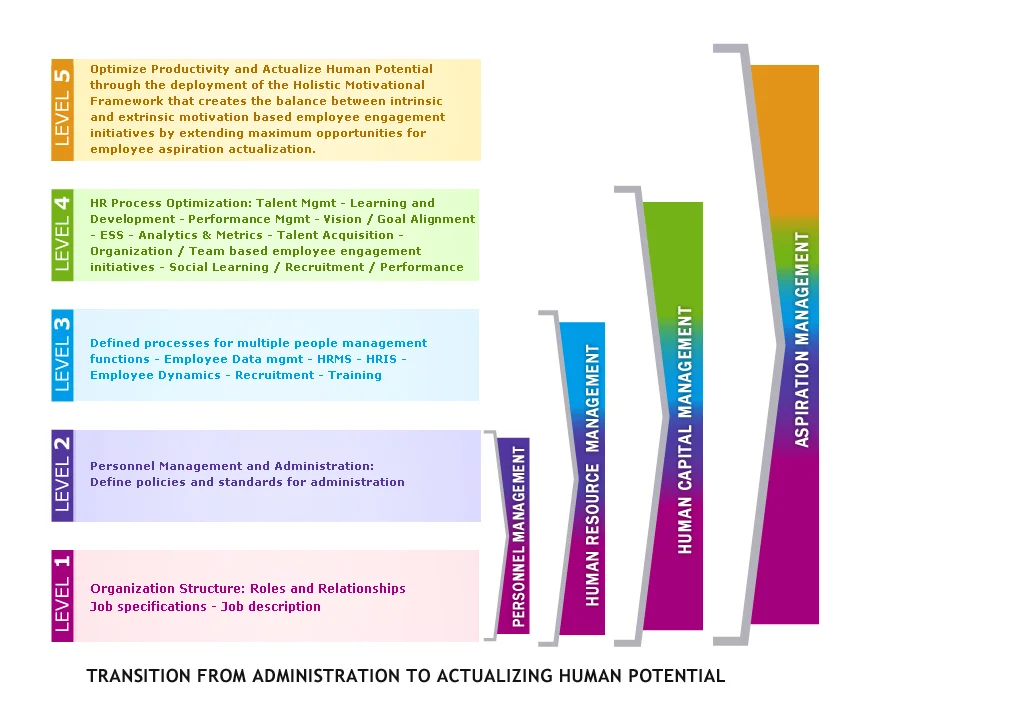
Data-driven HR also helps spot skill gaps in the workforce. By analyzing data on skills and competencies, companies can create focused training programs to fill these gaps. This not only improves individual skills but also aligns with the company's goals, ensuring the workforce is ready for future challenges. Companies using data-driven HR have seen performance improvements of up to 25%, showing its significant impact.
Essential Metrics in Data-Driven HR
In data-driven HR, metrics like workforce productivity, talent acquisition, and employee engagement are key to understanding the employee lifecycle and the organization's health.
Measuring Workforce Productivity
Metrics like revenue per employee, profit per employee, and Human Capital ROI are crucial. They measure HR's impact on business outcomes. For example, revenue per employee shows how much each worker contributes to the company's revenue, highlighting productivity levels.
Evaluating Talent Acquisition and Retention
Metrics such as quality of hire, source of hire quality, and retention rates of top performers are vital for strategic hiring and retention. They provide insights into recruitment effectiveness and highlight areas for improvement.
Assessing Employee Engagement
Metrics like Employee Net Promoter Score (eNPS) and engagement survey results give a comprehensive view of how connected employees feel to their work and the company. High engagement often links to better productivity, lower turnover, and improved performance.
Data-driven HR lets organizations measure the effectiveness of strategies like training ROI and onboarding impact. This boosts transparency and accountability, enabling data-driven decisions that enhance performance.
Personalization and Employee Development with Data
Data-driven HR allows for personalized employee experiences by tailoring work policies and development plans to individual styles, preferences, and goals.
Crafting Personalized Learning Paths
Performance data helps design custom development programs by identifying each employee’s strengths and weaknesses. This improves competencies and engagement. By pinpointing needed skills, companies can create personalized learning paths, ensuring relevant training and boosting motivation.
Supporting Career Development and Succession Planning
Data-driven HR supports career development and succession planning by identifying high-potential employees and mapping their career paths. By analyzing performance data and career goals, HR can prepare employees for leadership roles, ensuring a ready pipeline of qualified candidates and reducing talent gaps.
Strategic Benefits of Data-Driven HR
The strategic impact of data-driven HR is clear in how it transforms HR from administrative work to a strategic partner. It aligns HR initiatives with company goals, drives business performance, and boosts employee satisfaction.
Aligning HR Strategies with Business Objectives
Data-driven HR helps align HR initiatives with business goals by providing insights into workforce capabilities and needs. This alignment supports objectives like increasing market share or driving innovation. By using data, organizations can allocate resources effectively and prioritize impactful initiatives.

Enhancing Business Performance
Data-driven HR boosts business performance by optimizing workforce productivity. By analyzing data, companies can identify areas needing improvement and implement targeted actions. This ensures resources focus on initiatives that deliver results, like reducing absenteeism or enhancing customer service.
Boosting Employee Satisfaction
Employee satisfaction drives success, and data-driven HR plays a key role. By understanding employee needs through data, HR can develop programs that improve the employee experience. This might include flexible work arrangements or career advancement opportunities. Satisfied employees are more engaged, productive, and committed, contributing to success.
The Role of AI in Data-Driven HR
AI is now a big part of data-driven HR, offering tools and technologies that improve HR processes and decisions.
Streamlining Recruitment with AI
AI-powered recruitment tools streamline hiring by automating tasks like resume screening and interview scheduling. These tools use algorithms to find the best candidates, saving time and effort and allowing HR to focus on strategic initiatives.
Utilizing Predictive Analytics for Talent Management
Predictive analytics helps forecast workforce needs and identify talent gaps. By analyzing past data, it provides insights into turnover and performance trends. This helps HR make proactive decisions for long-term talent management.
Enhancing Engagement with AI Tools
AI tools can improve engagement by offering personalized recommendations. They analyze feedback to pinpoint areas for improvement, helping to enhance workplace culture and communication. This creates a more engaged workforce, driving better outcomes.
Proactive Management and Building Employee Trust
Proactive management means anticipating issues before they become problems. Data-driven HR supports this by providing insights to identify challenges early.
Early Identification and Resolution of Issues
Data-driven HR helps spot issues early by analyzing data on performance and satisfaction. By identifying trends, HR can act before problems escalate, ensuring a healthier work environment.
Fostering Trust through Transparent HR Practices
Transparency builds trust, and data-driven HR supports this by clearly communicating HR processes. Sharing data with employees shows a commitment to fairness, fostering trust and enhancing satisfaction.
FAQ Section
What is data-driven HR?
Data-driven HR uses data analytics to inform HR decisions. It involves collecting and analyzing data on performance and engagement to improve decision-making and outcomes.
How does data-driven HR improve employee performance?
It improves performance by providing objective insights into metrics, identifying skill gaps, and informing training programs. This ensures employees get the support they need to succeed.
What role does AI play in data-driven HR?
AI enhances HR by automating recruitment, providing predictive analytics, and offering insights to improve engagement. These tools help HR make informed decisions and drive better outcomes.
How can data-driven HR enhance employee satisfaction?
By understanding employee needs through data, HR can create programs that improve the experience, like flexible work or career opportunities. Satisfied employees are more engaged and productive.
What are the key metrics in data-driven HR?
Key metrics include engagement scores, turnover rates, time-to-hire, and training effectiveness. They provide insights into the employee lifecycle and inform HR strategies.
By adopting data-driven HR practices, companies can significantly boost performance and satisfaction, leading to better business outcomes.